The Weekend Liquidation Wave Read Like a Crossover Episode Between AI Stocks and Crypto Twitter
Memes, margin calls, and extreme fear indices framed a $2.4 billion reset as Anthropic's IPO glow met Bitcoin's two-year low.
9 min read
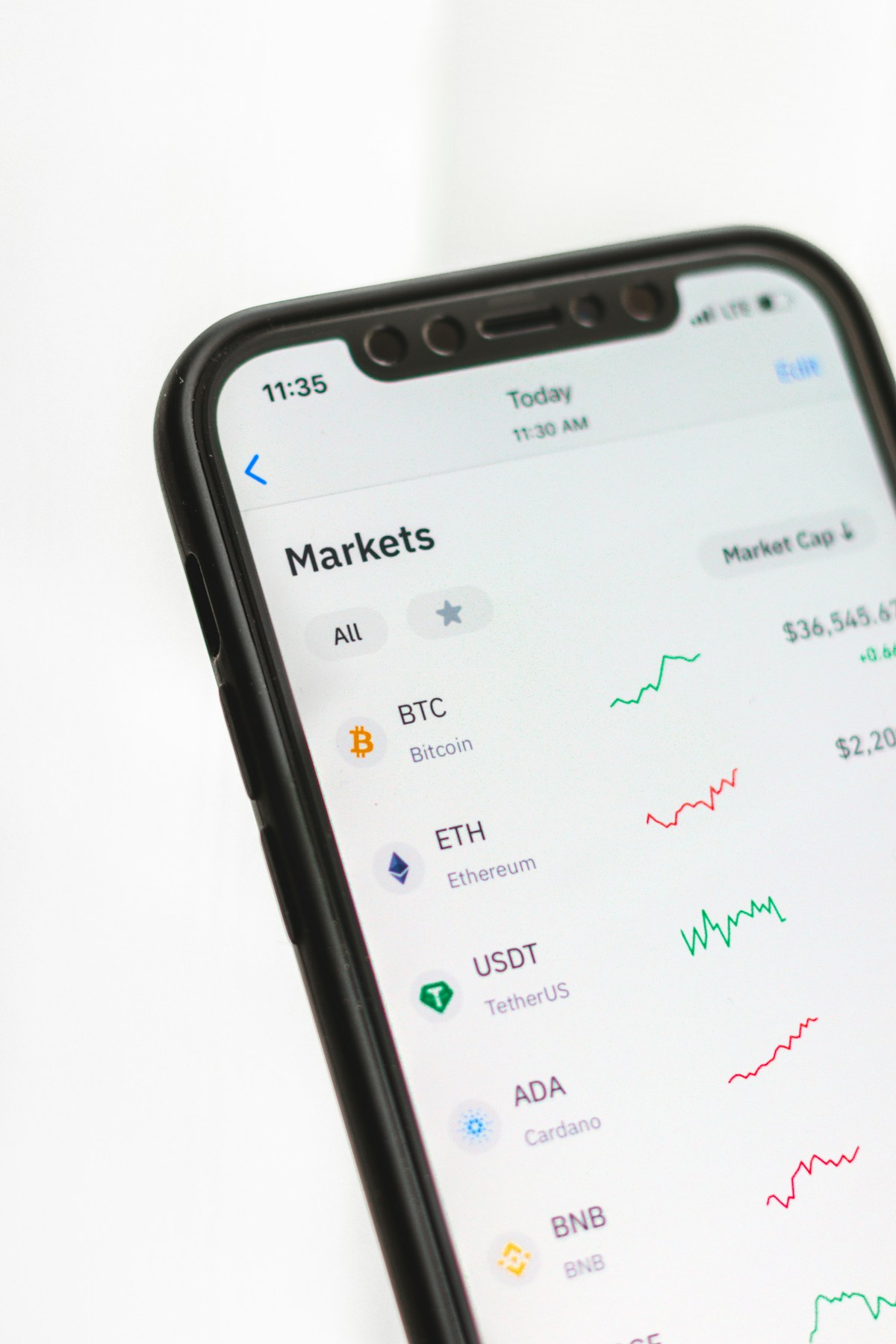
Mondays when the chart becomes a meme
Friday, November 21, 2025—and the culture-facing weekend that followed—delivered a familiar crypto weather pattern: bitcoin skated toward $80,500, roughly 400,000 traders watched leveraged positions evaporate, and headline aggregators tallied on the order of $2 billion to $2.4 billion in 24-hour liquidations depending on venue coverage and whether you believe incomplete exchange reporting. The Crypto Fear & Greed Index printed 11, deep in extreme fear, territory associated with the 2022 bear and the FTX aftershock era. Total crypto market capitalization slipped below $3 trillion for the first time since spring.
This was not only a macro trade. It was a culture moment—screenshots of wiped accounts, ETF outflow spreadsheets, Discord voice channels gone quiet, and the bitter joke that everyone was a genius at 98k. Layered on top, in the same news cycle, was a different kind of hangover: the Anthropic IPO narrative and broader AI mega-cap mood swing, a reminder that crypto's leveraged-long subculture does not trade in isolation. It trades as if the future is already priced in—until funding rates snap.
This piece is a Mondays-topic culture read: less portfolio advice, more autopsy of how meme logic, shame, and financial nihilism synchronize when forced sellers meet thin books.
The liquidation cascade as social choreography
CoinGlass-style dashboards turn pain into sport. $36.8 million single-position nukes on Hyperliquid become folk heroes of stupidity. Long liquidations dominated—~$1.6 billion of the wipeouts were bullish bets, per reporting from The Block and Superex—meaning the crowd was leaning up into a macro punch it misread.
The choreography is ritual:
- Positioning creep: Winners from the autumn rally tell themselves they are "investors" now. Leverage creeps from 2× to 5× to "just until CPI."
- Macro rug: Stronger-than-expected U.S. jobs data dims December rate-cut hope. Bitcoin, which had been trading like a risk-on tech proxy, re-links to dollar and rates faster than Twitter economists can post threads.
- Liquidity vacuum: Weekday desks thin into Friday afternoon. Stop clusters become lunch.
- Cascade: Exchanges auto-close underwater margin. Market sells hit bids that are not there. Alts amplify beta because they always do.
- Narrative glut: CT floods with "capitulation," "max pain," and extreme fear screenshots—simultaneously warning and bragging that you survived.
Researchers at Kronos and BRN framed the move as healthy repricing or capitulation zone depending on consultancy. JPMorgan analysts pointed at spot BTC and ETH ETF outflows—roughly $4 billion in November—while noting equities ETFs saw huge inflows, arguing retail was not fleeing all risk, just crypto wrappers. Culture warriors turned that into memes: "They sold the ETF, not the idea" versus "They sold because the idea was the ETF."
Extreme fear as content
A Fear & Greed reading of 11 is not just a number; it is thumbnail art. Newsletter writers pair it with red heatmaps. TikTok creators whisper that extreme fear means buy, recycling Warren Buffett cosplay without mentioning that timing the knife ruined more portfolios than FOMO ever did.
The index living at extreme fear for multiple days—longest streak since FTX-collapse comparisons, per market press—creates boredom apocalypse: not enough dopamine in green candles to scroll, too much shame in red to log off. Discord mods ban leverage shillers temporarily, not from ethics but to reduce spam suicide hotline referrals.
Historically, contrarians love these readings. Culturally, they fuel **"I told you so" layered on "we're so early"—two religions sharing one chart.
The $2.4 billion headline wars
Reporters fight over whether liquidations were "$2 billion" or "nearly $2.4 billion." The Block and CoinGlass methodologies acknowledge partial reporting from major venues; true forced selling may exceed prints. Culture does not care about epistemology—$2.4B is rounder, angrier, better in a headline next to Anthropic and AI bubble keywords in the same Google News panel.
That slippage between measured and felt loss defines crypto media: numbers are approximations; vibes are precise.
Ethereum shed hundreds of millions in its own liquidation bucket; Solana and XRP registered double-digit weekly drops. Alt coin Telegrams oscillate between "dead chain" gallows humor and airdrop farm denial.
Leveraged-long culture and its mythology
Crypto social contracts reward visible conviction: profile pictures laser-eyed, timeline calls public, leverage proudly disclosed when winning. The losing side of that contract is silent deletion or pivot to "I hedged" lore.
Hyperliquid's rise as liquidation theater stage matters culturally—it is decentralized enough to meme, fast enough to kill size, and transparent enough for block explorers to become voyeur porn. Tradfi wipeouts hide in prime brokerage statements; on-chain nukes get minted as screenshots.
The long bias is structural: funding incentives, tribal optimism, and the selection effect that bears leave the space or post less. So cascades are asymmetric content events—shorts win privately, longs lose publicly. The visible grief skews the emotional history of the market.
Anthropic IPO hangover as cross-bubble mood
The user prompt's Anthropic IPO hangover is not a footnote—it is narrative entanglement. Late 2025 and 2026 financial culture fused AI capex supercycles with crypto liquidity through shared investor pools, venture PDFs, and the spiritual claim that both bet on compute abundance. When AI names wobble on valuation realism—who profits from models, datacenter debt, energy constraints—crypto's high-beta retail layer reads it as "risk-off for the entire future."
Anthropic does not need to print a cap table for the meme to work. IPO-window gossip alone steers CT macros: "If Claude's bankers blink, my perp dies." It is vibes-as-asset-pricing, unashamed.
Irony thickens because AI safety prestige culture often looks down on casino crypto—yet GPU bills and token pumps sometimes finance the same weekend in SF. The hangover is shared, even when the discourses pretend otherwise.
ETF outflows as respectability crisis
Spot BTC ETFs were supposed to institutionalize the asset—gray suits, daily flows, CNBC respect. November's $903 million single-day outflow (second-largest since launch, per market reporting) bruised that story. Culturally, ETFs became boomer leverage: slow money that could leave without posting. JPMorgan's split-flow observation—crypto ETFs bleeding while equity ETFs soar—fed tribal mockery and genuine anxiety simultaneously.
If ETFs are exit liquidity, the meme says, then who is the dumb money now? If ETFs are patient capital, why are short-term holders realizing losses at cycle extremes, as on-chain shops noted?
Both frames fit; neither comforts.
Macroeconomic insult to injury
Traders wanted a Fed put for crypto like equities seemed to enjoy. Hot jobs data threatened higher-for-longer. Bitcoin's attempt to decouple as digital gold keeps failing stress tests whenever real yields jerk. Culture translates macro jargon into "they cooked the jobs report to margin call me."
Liquidity thinning into a vacuum, as BRN's Timothy Misir put it, is the technical echo; "the casino closed mid-spin" is the cultural one.
Art, cope, and the banned phrases of bear markets
Bear market culture rotates forbidden phrases:
- "This is good for bitcoin" (ironic except when unironic)
- "Diamond hands" (archaeological)
- "Number go up technology" (sincere only as mockery)
Fresh cope includes "paper hands ETF tourists" and "we are in the capitulation tweet phase." NFT veterans post grayscale PFPs as war medals. Solana believers meme "only possible on Solana" about liquidation speed itself.
Music playlists shift to melancholic phonk and 2017 remixes. Nobody admits they are grieving; they call it "reaccumulation mindset training."
Who gets blamed
A liquidation Friday needs villains:
- Macro: Fed, Bureau of Labor Statistics, Donald Trump's tariff ghost du jour.
- Exchanges: For engine halts, liquidation wicks, and "unfair" funding.
- Influencers: For screenshots of entries that mysteriously lack timestamps.
- Self: Quietly, at 2 a.m., before tweeting that self-blame is FUD.
Blame allocation is content; it rarely improves risk management next week.
Gender, class, and the visibility of wipeouts
Leveraged trading culture remains male-skewed in public forums; liquidation porn reinforces toxic bravado arcs. Class-wise, five-figure wipes on Hyperliquid coexist with minimum-wage bagholders on mobile apps—same index reading of 11, incomparable consequences. Extreme fear memes flatten that hierarchy; empathy fails upward and downward.
Is extreme fear contrarian or viral?
Finance textbooks say buy fear. Crypto culture says "buy fear" until fear becomes a lifestyle—rent due, stablecoins the only savings. The November 21 cluster tested whether on-chain capitulation metrics (short-term holder losses, realized loss spikes) mean bounce imminent or prelude to $78k liquidity hunts analysts whispered about.
Culture cannot wait for resolution; it posts the prediction and deletes the miss.
Mondays after Fridays like this
The Mondays topic is hangover epistemology: waking to Slack, seeing HR-safe crypto talk banned in enterprise channels, while personal phones still run degen Telegram. The dual-screen self is exhausted.
Office workers who never traded check bitcoin price because CNBC airport TVs loop it. AI IPO headlines share the chyron. The brain mash correlates Claude's valuation with sats though the mechanisms are loose—a cultural correlation trade.
Coffee shops overhear "Did you see the liquidation?" like weather. It was $2 billion or $2.4 billion; the conversational utility is shared catastrophe, not accounting precision.
What this is not
This is not a call to buy, sell, or pray. It is not a claim that Anthropic caused bitcoin's dump—only that narrative atmospheres co-move in late-2025 financial media diets. It is not a denial of real economic harm: leveraged losses destroy households; extreme fear is not a meme when rent is due.
Closing: culture as the residual
When the liquidations clear, the chain records balances; culture records stories. The November cascade will live as "the $2.4B Friday" in group chats, slightly inflated like fish tales. Fear index 11 will JPEG on "remember when" threads if prices recover, or "we should have known" if they do not.
Crypto's leveraged-long culture treats survival as identity. Days like November 21 select who keeps posting into the next regime. The rest mute notifications and pretend they are long-term fundamentalists now—until the music returns, and extreme greed gets its turn to be content.
Until then, Mondays belong to the liquidated: not heroes, not villains, just characters in a serial drama where the writers room is rates data, the set is a phone screen, and the laugh track is Funding Paid.







Comments
Loading comments…