Meta Doubles Down on Smart Glasses as Privacy Concerns Mount: A Cultural Moment
Meta's massive hardware launch — VR Glasses, camera-equipped Ray-Bans, and the Muse Charm — arrives as society grapples with ambient surveillance and always-on AI.
5 min read
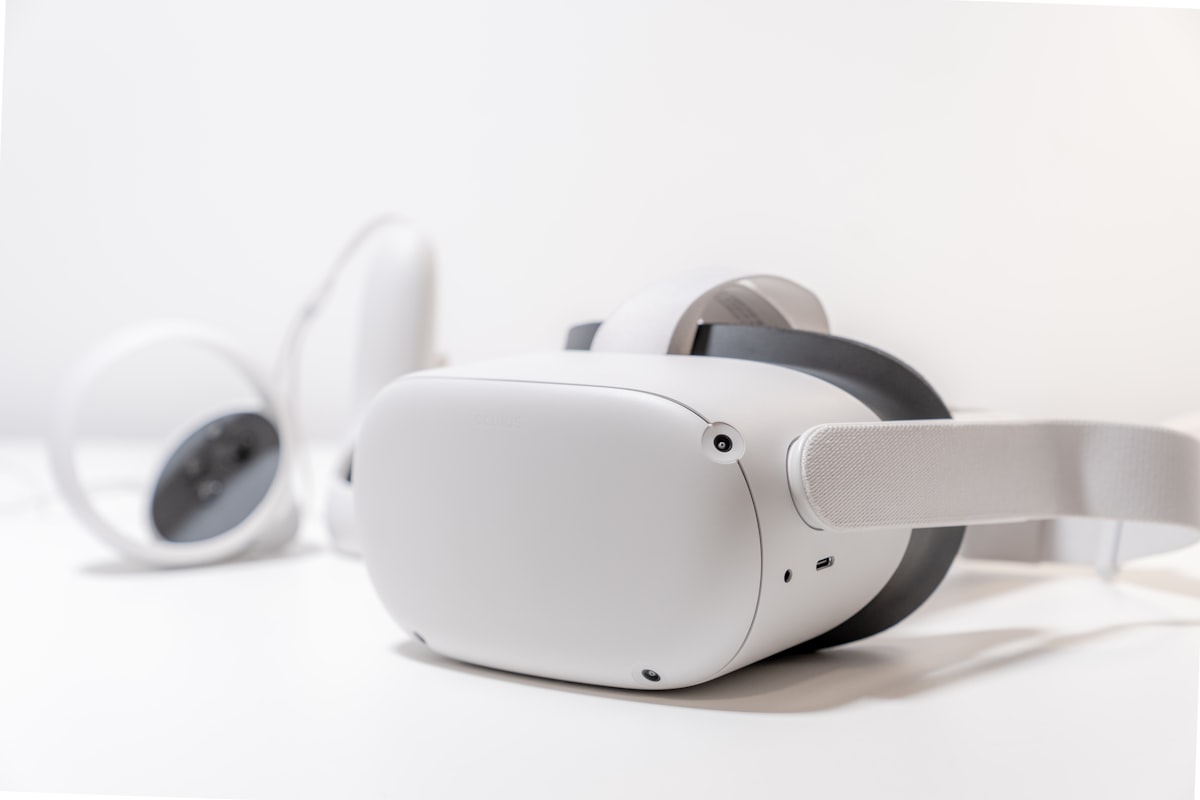
There is a specific kind of cultural tension that only technology companies can create: the gap between what they announce on stage and what everyone in the audience is quietly thinking.
Meta's September 2026 hardware event was that kind of moment.
The Announcement
Mark Zuckerberg unveiled the company's most ambitious wearable lineup yet:
- Meta VR Glasses — 5K micro-OLED displays projecting entertainment into your field of view ($1,850, early 2027)
- Third-generation Ray-Ban Meta — updated camera glasses shipping October 13
- Ray-Ban Meta Audio — camera-free glasses with speakers and Meta AI voice
- Meta Ray-Ban Display — AR glasses with visual overlay
- Muse Charm — a teased screenless AI companion device
The through-line: Meta wants AI on your body, all the time, in every form factor it can manufacture.
The Unspoken Question
Every camera-equipped wearable announcement now arrives with the same cultural baggage: who else can see what I am seeing?
Bars in San Francisco and New York have already banned smart glasses. Schools are updating dress codes. Office HR departments are drafting wearable device policies. The term "glasshole" — coined during Google Glass's brief, disastrous moment — has been revived in Gen Z vernacular.
Meta's response is the Ray-Ban Meta Audio — a camera-free option that says, "We hear you, but we are not stopping." The camera versions ship anyway. The VR Glasses have cameras. The Display AR glasses have cameras. The Muse Charm's capabilities remain mysterious.
The Gen Z Calculation
For Gen Z specifically, the smart glasses question is not abstract. This is a generation that:
- Grew up with phones as surveillance devices (front and back cameras always available)
- Experienced TikTok, Instagram, and Snapchat as platforms where being recorded is the default
- Watched facial recognition technology deployed at protests, concerts, and schools
- Learned that "privacy settings" change without notice
Yet Gen Z also adopts technology faster than any prior generation. The tension is not rejection — it is negotiation. The question is not "will young people wear smart glasses?" but "under what social conditions will wearing smart glasses be acceptable?"
Early signals suggest camera-free models (Ray-Ban Meta Audio) will normalize faster than camera-equipped ones. Voice AI without visual recording feels like a Bluetooth headset upgrade. Camera glasses feel like being a walking security camera.
The Celebrity Factor
Meta's partnership with Ray-Ban carries cultural weight that tech specs cannot. Ray-Ban is fashion — worn by celebrities, musicians, and influencers whose adoption signals matter more than benchmark scores.
If Timothée Chalamet wears Ray-Ban Meta Audio in a paparazzi photo, the product is cool. If a tech bro wears camera-equipped Ray-Ban Meta to a coffee shop, the product is a threat.
Meta understands this. The Audio model's October 13 launch is a fashion drop as much as a tech release.
The Meme Potential
Every Meta hardware launch generates memes. The Muse Charm — described only as "delightful and fun" — is already meme fodder before anyone has seen it. Predictions range from "AI Tamagotchi" to "digital fentanyl pendant."
The VR Glasses at $1,850 invite the inevitable "just buy a TV" comparison. Meta's own presentation leaned into IMAX-scale viewing — essentially arguing you should strap a private cinema to your face rather than go to a theater with other humans.
These memes matter. They shape adoption more than spec sheets. Google Glass died as much from social ridicule as from technical limitations.
The Privacy Storm Meta Is Walking Into
Information Age reported Meta "doubling down on AR glasses amid privacy storm" — an accurate headline. The storm includes:
- Regulatory scrutiny in the EU (GDPR implications for ambient recording)
- US state-level privacy laws expanding biometric data protections
- Public backlash against always-on recording in shared spaces
- Competitor positioning (Apple's rumored glasses reportedly emphasize on-device processing)
Meta's bet is that utility will overcome privacy concerns — the same bet it made with Facebook's data practices, Instagram's mental health impact, and Quest's virtual isolation. Sometimes the bet pays off at scale. Sometimes it generates congressional hearings.
The Cultural Verdict
Meta's September 2026 launch is a cultural event, not just a product event. It forces questions that society has been deferring:
- Do we want AI that watches everything we see?
- Who controls the data from wearable cameras?
- What are the social norms for recording in public?
- Is "delightful and fun" a sufficient value proposition for ambient surveillance?
The Ray-Ban Meta Audio is the most culturally astute product in the lineup — it meets the AI demand without the surveillance concern. Everything else is Meta betting that the culture will catch up to the technology.
History suggests culture wins eventually. But Meta has $100 billion in revenue and a CEO who has been wrong about cultural predictions before — and still built one of the most influential companies on Earth.
The glasses are coming. The question is whether we are ready to be seen wearing them.





Comments
Loading comments…